Jump to content

red750

Members
  • Posts

    13,763
  • Joined

  • Last visited

  • Days Won

    671

Everything posted by red750

  1. In 1971, a man sent himself a message nobody remembers—and accidentally invented the way 5 billion people would communicate for the next fifty years. Cambridge, Massachusetts. BBN Technologies. A basement lab filled with machines the size of refrigerators, humming and clicking, connected by wires to a strange new network called ARPANET. Ray Tomlinson sat alone. He was a 29-year-old computer engineer working on a problem nobody had asked him to solve. ARPANET already allowed people to leave messages on shared computers—but only if you shared the same machine. If you wanted to send a note to someone using a different computer, you were out of luck. Ray thought that was silly. So he started tinkering. Not because his boss told him to. Not because there was funding or a deadline. Just because it seemed like something the network should be able to do. He wrote a program called SNDMSG—"send message"—that could transfer a text file from one computer to another across the network. It worked. But there was a problem. How do you tell the computer where to send the message? You needed a way to separate the person's name from the machine's name. Something clear. Something simple. Something that wouldn't confuse the computer. Ray looked at his Model 33 Teletype keyboard. Most keys were letters or numbers. Punctuation was sparse. But there, on the upper row, sat a symbol almost nobody used. @ It was an accounting symbol—shorthand for "at the rate of" when calculating prices. It had survived on keyboards mostly out of habit. Ray figured nobody would miss it. He made a decision in seconds that would shape the next half-century of human communication. Username @ Computer Name. Simple. Elegant. Permanent. He typed a test message. Something forgettable—probably "QWERTYUIOP" or another string of random characters. He sent it from one machine to another, both sitting in the same room, connected through ARPANET's sprawling network. It worked. Ray sent the first networked email. To himself. In an empty lab. With no witnesses. He later couldn't even remember what the message said. "Entirely forgettable," he called it. But what happened next wasn't forgettable at all. Within weeks, ARPANET engineers started using Ray's system. Within months, email accounted for 75% of all traffic on the network. People who'd been sending memos and making phone calls suddenly had a faster, quieter, more efficient way to communicate. They loved it. By the 1980s, email spread beyond research labs into universities, corporations, and eventually homes. By the 1990s, it was everywhere. The @ symbol—Ray's casual choice from a forgotten accounting character—became one of the most recognized symbols on Earth. Today, over 330 billion emails are sent every day. That's 3.8 million per second. Email created entire industries: marketing automation, cybersecurity, productivity software, spam filters, customer service platforms. Careers were built on it. Relationships formed through it. Revolutions organized with it. And Ray Tomlinson never tried to own it. He didn't patent email. Didn't trademark the @ symbol. Didn't start a company or demand royalties. He was an engineer, not an entrepreneur. He built it because the problem was there, and solving problems was what he did. In 2012, Google invited Ray to their headquarters to celebrate the 40th anniversary of email. They gave him a cake shaped like an @ symbol. He seemed slightly embarrassed by the attention. When reporters asked him about inventing email, he downplayed it. "I just happened to be in the right place at the right time," he said. "It was a fairly obvious thing to do." To Ray, it wasn't a revolution. It was just good engineering. In 2016, Ray Tomlinson died of a heart attack at seventy-four. Gmail's official Twitter account posted a tribute: "Thank you, Ray Tomlinson, for inventing email and putting the @ sign on the map." Millions of people saw it. Most had no idea who he was. Because Ray never became famous. He never gave a TED talk or wrote a bestselling memoir. He never became a billionaire or household name. He lived quietly, worked on projects that interested him, and died having changed the world in ways most people never realized. Think about that. Every email you've ever sent—job applications, love letters, meeting invites, password resets, breakup messages, acceptance letters, apologies, thank-yous, spam about discounted furniture—all of them carry the ghost of Ray's decision in 1971. That @ symbol you type without thinking? Ray chose it in seconds, alone in a lab, solving a problem nobody had asked him to solve. No venture capital. No product launch. No press release. Just an engineer noticing something missing and quietly building it into existence. The world celebrates founders who raise millions and disrupt industries. We make documentaries about visionaries who change everything with bold speeches and flashy keynotes. But some of the most important revolutions happen in silence. One man. One keyboard. One overlooked symbol. One message sent to himself that nobody remembers. And suddenly, billions of people had a way to say: I'm here. Are you there? Ray Tomlinson didn't change the world by shouting. He changed it by typing. And fifty years later, we're still using the language he invented—one @ at a time.
      • 1
      • Informative
  2. The inventor of the arrow on a car's dashboard which indicates which side of the vehicle the fuel filler is located on has died at the age of 80. James Moylan came up with the inventive solution in the late 1980s and has made life easier for millions of drivers ever since.
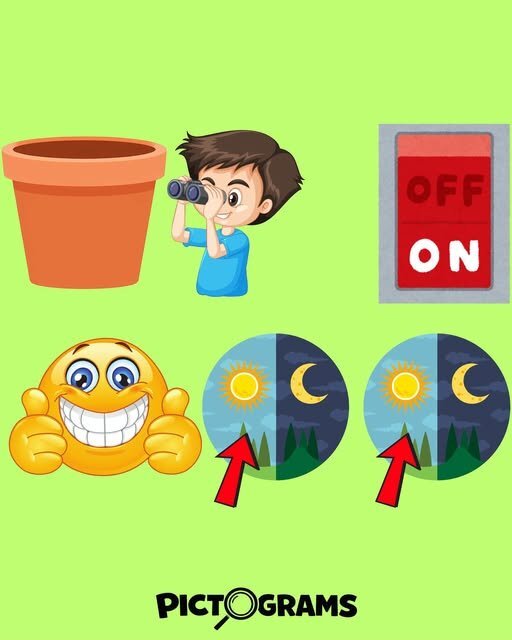
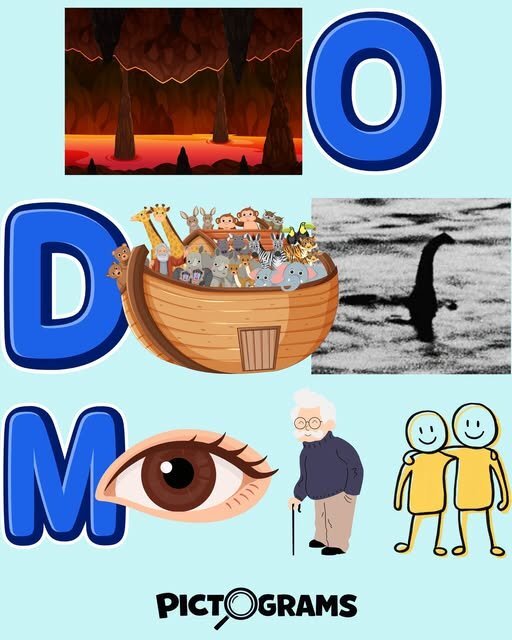
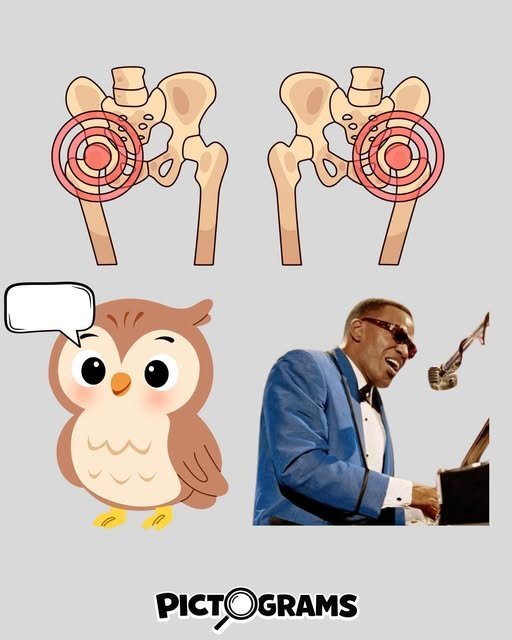
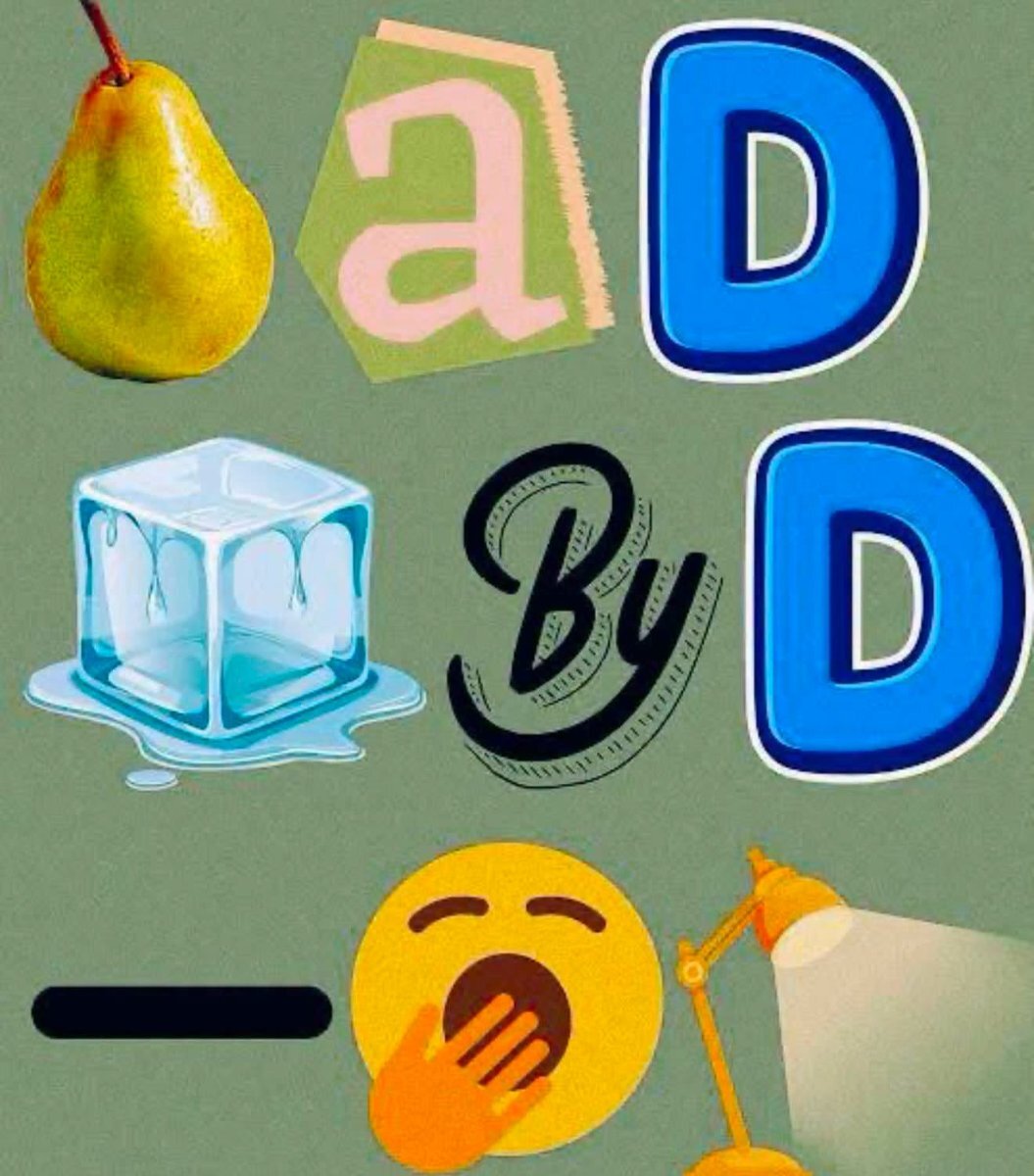
  3. On Facebook today. CALL TO ACTIVISM ·· 🚨READ THIS BEFORE IT DISAPPEARS. RUBIO’S CAREER AT RISK AS TRUMP UNDERMINED GLOBALLY Marco Rubio knew exactly what the United States promised Ukraine. That’s why he hoped this clip would stay buried. As Volodymyr Zelenskyy visits Washington and is met with hostility instead of solidarity, and forced peace terms that could have been written by the Kremlin itself - one truth keeps resurfacing: the United States made Ukraine a promise - and Donald Trump is now undermining it on the world stage. At the time, Marco Rubio was a sitting U.S. senator, speaking on the record - not speculating, not guessing. His fiery speech about why America must defend Ukraine was powerful: After the Soviet Union collapsed, Ukraine was left with the third-largest nuclear arsenal on Earth - tactical and strategic weapons capable of reshaping global power. Instead of keeping them, Ukraine signed a 1994 agreement with the United States, the United Kingdom, and Russia. The deal was clear: Ukraine gives up its nuclear weapons. In return, United States and the UK would assure its defense. Ukraine kept its word. They dismantled the arsenal. Twenty years later, one of the countries that signed that agreement didn’t just walk away. It invaded Ukraine. Rubio warned this betrayal would echo far beyond Europe. He explained that countries like South Korea, Japan, and Saudi Arabia were watching - being told the same thing Ukraine was told: don’t pursue nuclear weapons. Trust us. We’ll protect you. And then he asked the question that now hangs over American credibility: If Ukraine gave up its nukes and still got invaded, why would any country ever trust U.S. security guarantees again? Here’s the part Rubio can’t escape. He understood the consequences. He articulated them clearly. He warned the world. Now Trump undercuts allies, weakens NATO, and treats Ukraine like an inconvenience instead of a frontline partner - undermining America’s credibility in real time. That’s why Rubio’s past isn’t just awkward. It’s consequential - and his past words on Ukraine are now a liability in a party run on Trump’s loyalty tests. Because he knows the promise was real. And he knows Trump is breaking it. And here’s the question MAGA never answers - because they can’t: If America’s word meant nothing to Ukraine, why should any ally ever trust the United States ever again? That’s the damage MAGA owns. And that’s the truth they’re desperate to bury.
  4. Brigitte Bardot, the French actress and singer who became an international sex symbol before turning to animal rights activism, has passed away aged 91. Bardot had been ill in hospital in Toulon, according to local media. The star’s animal rights charity announced her passing on Sunday morning with a statement.
  5. The claim in the report may have been BS, but as they say, there can be an exception to every rule.
  6. I emailed Spacey, Says he's well, but not wise. Says he can't log in at all. Didn't explain why.
  7. I didn't say you, there was a report.
  8. I read a thing the other day where twin brothers had identical fingerprints and eye patterns.
  9. Big enough when I rode my bike to do the paper round before school.
  10. In '59, I was in Year 10, in '60 moved back to Victoria, Warragul high, into Form 5.
  11. A random thought struck me when I woke up this morning. 2026 is the 70th anniversary of the Melbourne Olympic Games in 1956. I attended one day of those games on a school excursion from Deniliquin High School. I was 12 at the time, in Year 7. We went by bus from the school.
  12. Interesting photos Willie. I played around with a couple of them. Firstly, the donkey. I clicked on the image to enlarge it a but, then used the Windows Snipping tool copy just that part of the photo. In the preview window of the snip, I clicked on the option "Open in MS Paint". I could then slide the magnification slider until the image just started to pixilate. I took another snip of the enlargement and saved it. Then I closed Paint and Snipping Tool. Click on this image ti see the final result. This is the easiest method to enlarge small objects in a photo. Then I took the bogged dozer and played with the brightness, exposure, contrast, and took out a little of the red colour cast.
  13. Minimum temp 12.1, coldest Christmas Day since 2006. Max 17.3. Carbon copy tomorrow.
  14. red750

    Brain Teaser

    Very close! It's sit E (CITY)
  15. red750

    Brain Teaser

  16. My wife died during Covid lockdown when funerals were limited to seven members of immediate family. She had indicated that although she was Catholic, she wanted to be cremated. She was cremated at an "unattended cremation" at a country crematorium and her ashes returned in a rosewood casket. When the lockdown was lifted we had a Catholic memorial with 40 attendees, the casket at the front of the church in place of the coffin. It now sits on a cabinet in our loungeroom. I have told my family, when the time comes, I want to be treated the same way. I am not fussed about a church memorial. The only ones who would attend are my wider family. Members of the Shed rarely attend members funerals. My cousin is a marriage and funeral celebrant, so she could conduct a family memorial. Funerals can cost $10,000 to $15,000 or more, taking into account the coffin, the undertaker, the hearse, the mourning car and the cemetery plot. A fixed price unattended cremation costs $2,200 including the rosewood casket.
  17. The wife of the terrorist shot dead by police has said they were separated and she wants nothing to do with his body. She has signed it over to the government. There are calls for ite to be cremated, which is banned in the Muslim religion, and which is considered the most disrespect. Read more here.
  18. red750

    Brain Teaser

    Close enough, but it's actually All YOU need is love. Beatles lyrics, and the finger points at YOU.
  19. red750

    Brain Teaser

    Yep, that's the one.
  20. red750

    Quickies part 2

    Here's a clever post from FB supposedly written by a US soldier, going by the photo that was attached to it. I’m the guy wearing the black Burberry jacket that you tried to mug the other night. You pulled a knife on me and my girlfriend, demanding I hand over my jacket, and also asked for her purse and earrings. I hope you come across this message because there are a few things I want to clear up. First off, I’m really sorry for the embarrassment you must’ve felt. I didn’t expect you to literally crap your pants when I pulled out my pistol after you took my jacket. I mean, it wasn’t that cold, and I had the jacket on for a reason. You see, my girlfriend had just bought me that Kimber Custom Model 1911 .45 ACP pistol for my birthday, and we had picked up a shoulder holster for it that same night. It’s a pretty intimidating weapon when pointed at your head, isn’t it? I can only imagine how unpleasant it was walking away from me especially barefoot after I made you leave your shoes, wallet, and cell phone behind. I figured without those, you wouldn’t be able to call for backup or run to get help to mug us again. After that, I called your mom yeah, she’s listed as “Momma” in your phone and explained the situation. Then I went to fill up my gas tank, using your credit card. I wasn’t the only one filling up, though I also took care of four other people’s tanks at the gas station, including the guy with the motor home who was super grateful after I filled up 153 gallons for him. I ended up giving your shoes to a homeless guy outside Vinnie Van Go Go’s, along with all the cash from your wallet. That definitely made his day. Oh, and I tossed your wallet into the big “pimp mobile” parked at the curb, after smashing the windshield, side window, and keying the whole driver’s side of the car. Had to make it memorable, you know? Earlier, I made a few phone calls two to the DA’s office and one to the FBI. I mentioned President Obama as a possible target, and the FBI agent I spoke to seemed pretty serious. We had a nice, long chat (guess he was tracing your number, etc.). Look, I should apologize for not just killing you, but honestly, I think what I did is a far more fitting punishment for your crime. You can reflect on your choices while dealing with all the issues I’ve just handed you. And remember, next time you try something like this, you might not be so lucky. Best of luck sorting things out.
×
×
  • Create New...