
octave
-
Posts
4,381 -
Joined
-
Last visited
-
Days Won
58
Content Type
Profiles
Forums
Gallery
Downloads
Blogs
Events
Our Shop
Movies
Everything posted by octave
-
We are talking at cross purposes then. I am referring to the situation of one individual (my son) My first post was cut and paste fact. I added this text below to it. The most negative word I used was "inconvenient" I don't beleive what I have said below is stupid or outrageous. I am more than happy for you to have a different opinion. I say I feel it is inconvenient and you believe it is not. Nothing I have said is meant to be an attack on Britain, there is nothing to be offended by. Anyway I will leave it there.
-
I feel that you are insinuating that I believe it is a "mountain" The thing is myself and my son and some of his colleagues were sitting around talking about travel. Someone mentioned the requirements to have a passport for each country you are a citizen of. I must admit I thought it was probably not true, but on researching it is true. Yes, he could just apply for an ETA but the fact is he does know of his triple citizenship. I certainly would feel uncomfortable knowing what I was doing was not technically correct. In my son's case he , travelled to the UK and around Europe about 12 years ago, I believe on his Australian passport. You say he could just apply for an ETA and hope it was approved, but the fact is he knows that a British citizen cannot do that, yes he would probably be OK but he could not in all good conscience say he was unaware. When it comes to mountains out of molehills, I think you are making way too much of my initial post. He needs three passports - fact, those passports have a monetary burden - fact. The British passport in particular carries a high administrative burden because my wife and I need to provide documents - fact My conclusion that this represents an increased burden is defensible. I do understand that there are upsides, for example he could live in the UK if he wanted to and perhaps shorter queues at the airport. I just think that this should be a privilege you ask for,there are not one that is thrust upon you without your knowledge or consent. I repeat this is not a criticism of UK only. The fact that an Australian passport is $422 is a bit eye watering compared to the others. I don't think he even has plans to travel to the UK His last trip was around China and it was cheap and easy.
-
If you think I am trashing the UK, I am not at least no more than any other country with the same requirements. The only thing I would say about the UK is unlike other many other countries inhereted citizenship is omethin YOU claim whereas the british system is some you must opt out of if you dont want it. Herein lies the problem. Many people don't know they are dual citizens. Sure, you can apply for an ETA but if there is no way of authorities know your status then it feels pointless. It may be in the future that they will have the means to check your citizenship. So perhaps you are well-moneyed: Aus passport $422 UK Passport $198 AUD NZ Passport $263 AUD This is a significant cost on top of airfares, accommodation etc. and I ask for what purpose? Yers I agree, I dont see why he should need an Australian passport. He has made his citizenship choice clear and is now a proud Kiwi Look it was a conversation we had and the surprise conclusion that he was a triple citizen. Do you think it is noteworthy???? We were not slagging off at the British, (I am British) any more than I am slagging off at NZ or Australia. Getting a UK passport in this circumstance is not so straight forward. Apart from the documentation he has to supply my wife and I need to supply our birth certificates and marriage certificates and we think maybe our immigration details (from 1964). So it is not just a question of cost it is also a significant administrative. Look I/we are not bitterly complaining only noting that it has become more complicated. That is all, you dont need to be defensive that I am slagging off at Britain, I have the same critcisim for Aus and NZ. It is claimed that the reason is for national security and perhaps an argument there but I am not sure how. All mI am saying is it has become more onerous, I get it that you think I'm obsseed with this thing that you beleive is just a minor detail To be fair, I did not define this as a mountain YOU DID again I simply said it was hard to understand and would make travel for a triple citizen more complicate - that is my whole point. If that makes me an idiot in your eyes then so b e it.
-
By whatever means, people have been prevented from travelling or had their travel delayed. It may not be many people all up but it HAS happened as per articles I have linked to, or are they false news. So, to be clear, your advice to someone in my son's situation, "she will be right mate" The fact is HE NEEDS 3 PASSPORTS to stay withinn the law: the fact that only a few people at this stage have been detected is hardly the point. I regret raising this interesting (or so I thought) point.
-
I think the issue is not so much about being prosecuted but being prevented from travelling by the airline According to AI The bigger issue is airlines, not customs officers Someone saying "customs won't know" is focusing on the wrong stage. The problem often happens before boarding. Airlines use UK government systems to check whether passengers have permission to travel. If the system indicates the person is British and should not be using an ETA, the airline may refuse boarding because they are responsible for carrying properly documented passengers. 4. It is also a question of future consequences Someone might get away with travelling on an Australian passport for years. Then: they have a child, they apply for a British passport, they move to the UK, they need consular help, they renew documents. At that point, their British citizenship status becomes relevant. I don't think my bringing this up is petty or making a mountain out of a molehill. The biggest problem is people are unaware of it and there are numerous cases of people caught out. The law is what it is but that does not make it sensible.
-
I am not saying UK bad Australia good. In the case of my son it is 3 different countries demanding that he have their passport at great monetary and administrative burden. I am merely suggesting that perhaps rather than applying and paying for 3 different passport could not we have a system where you have primary citizenship and perhaps noted in you passport secondary citizenships? There is a differnece between inherited Australian citizenship in that it is a right you actively must claim, whereas British citizenship is something you get automatically, and should you not want it you have to renounce it. There are also other complexities. During the conversation I had with my son and his colleagues his business partner pointed out that although she is a child of a British parent she was not autamatically a British citizen but her brother was because of this: "While Australia's rules are relatively straightforward, British nationality law is deeply affected by when you were born and historical gender discrimination. For example, if you were born before 1983 to a British mother and a foreign father, you did not automatically inherit citizenship at birth. You must instead go through a retroactive registration process to correct this historical imbalance. [1]" It does feel like it would be easier if inherited British citizenship was an opt-in system and not automatic.
-
He does know that he has British citizenship by inheritance; if asked, he would have to answer truthfully. So a trip for my son to the UK would involve him, in your opinion applying for an ETA and if that is refused then he would have to start the onerous process of applying for a UK passport, which in his case would involve all sorts of documents including my and my wife's birth certificates and more. Yes Aussie who do not hold British citizenship. I would need a British Passport to travel to England and my son would require a UK passport an NZ passport, and if he were to spend a few days in Aus would require an Aus passport as well, a total of about $700 worth. You seem to imply my gripe is a little petty or a "storm in a teacup" simply because he may be able to travel in the UK without giving away the fact that he is also a UK citizen. Whilst many people may be doing this real people are being affected. UK passport changes leave Australians with dual citizenship scrambling before border rules kick in Teenage Girl Spends 6 Weeks Stuck Abroad Due to New Passport Rule, Her Dad Says More than a million Brits risk being caught out by new passport rule launched this year – with kids stranded abroad The common theme Most of these people were already British citizens. Their mistake wasn't failing to obtain citizenship—it was assuming they could continue travelling on their other passport as they had done previously. The February 2026 changes caught many people because: they had never applied for a British passport, they didn't realise their children automatically held British citizenship, or they had travelled for years using only their Australian, American or European passport. The UK Home Office has stated that from 25 February 2026, British dual nationals generally must travel with a valid British passport (or, in limited cases, a passport containing a Certificate of Entitlement), otherwise they risk being refused boarding. Given your earlier questions about travelling on an Australian passport, these examples illustrate that the airlines are enforcing the rule before passengers even reach the UK border. Yes, I am aware of that. My gripe is not about the UK but the need for 3 passports . There simply must a better way. Sorry if you think I am it is in your words "It's mountain out of molehill stuff.." but it came as news to me and going by newspaper reports IT IS catching people out
-
I guess the thing is that being detected is maybe unlikely, but people have been caught. The rules in Britain have changed recently (25 Feb 2026) https://www.bbc.com/news/articles/cx2d9yk2kpjo The fact is that by the letter of the law my son would need 3 passports to travel from NZ to Australia and Britain. Concealing his British citizenship is not really a satisfactory answer.
-
Here is a bit of red tape that is hard to understand the reasoning for. This came to my attention in a conversation with my son when we were visiting him in NZ. There are some either new rules or old rules now being enforced regarding passports that seem absolutely crazy to me. So my wife and I are Australian citizens, but by virtue of the fact we were both born in the UK we retain British citizenship. This now means that if we were to travel to the UK the UK government now requires that we have British passports. UK passport changes leave Australians with dual citizenship scrambling before border rules kick in That is inconvenient enough, but it gets worse for my son. My son was born in Australia, but by virtue of the fact that both his parents are British citizens, he also is considered to be a British citizen. My son moved permanently to NZ and is a citizen of NZ. The rules that apply to travelling into the UK also apply to travelling into Australia. This means that if my son were to travel to the UK via a stopover in Australia, he would need an Australian passport (because he retains Aus citizenship), a British passport because he retains British citizenship, and to get back home to NZ he needs an NZ passport. Here is an AI summary of the situation: "Because you and his other parent were Australian citizens at the time of his birth, your son is automatically an Australian citizen by birth. Since he also holds British citizenship (from you) and New Zealand citizenship (by naturalisation), he is a triple citizen. [1, 2, 3, 4, 5] This status changes the passport requirements for his travels: Document Requirements by Destination Traveling to Australia: He must enter on an Australian passport. The Australian Government requires all citizens to enter and leave the country using an Australian passport. He cannot use his New Zealand passport to get a Special Category Visa anymore, as visas cannot be granted to people who already hold Australian citizenship. [] Traveling to Britain: He must enter on a British passport. As a British citizen, he cannot use an Electronic Travel Authorisation (ETA) or a foreign passport alone to clear UK border control. [1, 2, 3, 4] Traveling back to New Zealand: He must use his New Zealand passport to seamlessly re-enter his home country."
-
I believe that is a known fault. A few other interesting points: The alert can appear even if you're on a phone call or using another app. It works on most modern phones, tablets, and some smartwatches. Older phones or devices with unsupported operating systems may not receive it, or may display headings such as "Presidential Alert" or "Extreme Threat Alert" instead of "AusAlert".
-
I can't believe the people whinging about it and wanting to know if they can opt out. Hopefully just a minority. On a similar subject, whilst on my recent NZ trip, my phone sounded an unusual alarm at around 4AM. It was an earthquake warning. I assumed it was from a government service but it was not. It was actually from Google, which uses its millions of Android phones to detect P or Primary waves. For some people, the alert sounded before the quake could be felt. Why phones woke thousands before 5.9 magnitude Taumarunui earthquake "The Android Earthquake Alerts system uses the accelerometers built into millions of smartphones to detect the first seismic waves generated by an earthquake. Known as primary, or P-waves, these travel faster than the stronger secondary (S) waves that typically cause the most noticeable shaking and damage. This data is automatically anonymised and reported in the background to Google, and once there are enough matching reports, an alert gets pinged out to all Android users who might be affected. Depending on the estimated strength of the earthquake, users receive one of two alerts. A 'Be Aware' notification is sent for earthquakes below magnitude 4.5, while larger events trigger a louder 'Take Action' alert designed to grab people's attention, even if their phone is on silent. The system is not an earthquake predictor, but rather rapidly detects an earthquake after it begins and uses the difference in speed between the initial P-waves and the slower, more destructive shaking to provide advance warning to people further from the epicentre. The technology is now available in more than 90 countries, although its effectiveness depends on how many Android devices are nearby."
-
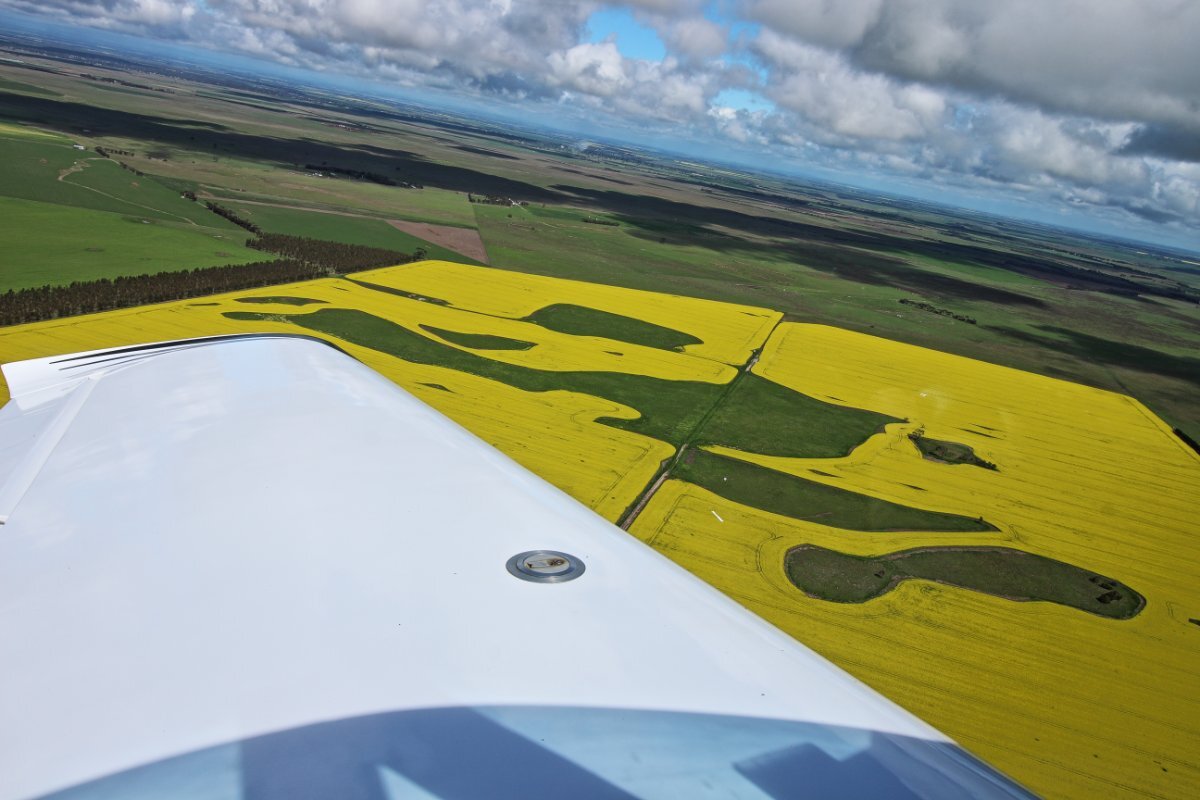
Canola time was always a pretty time to fly.

-
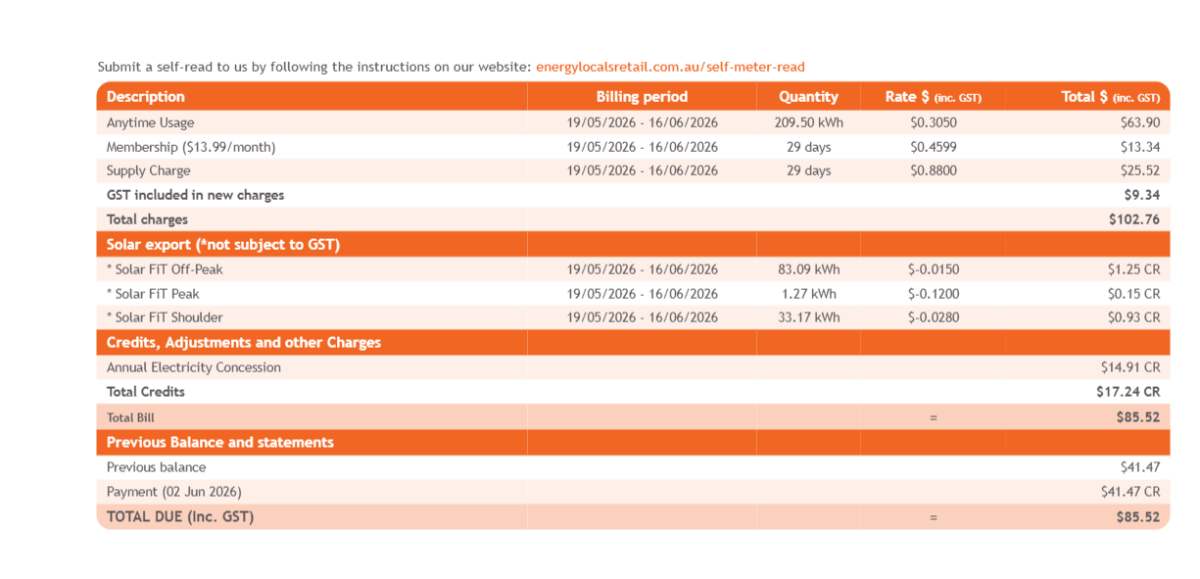
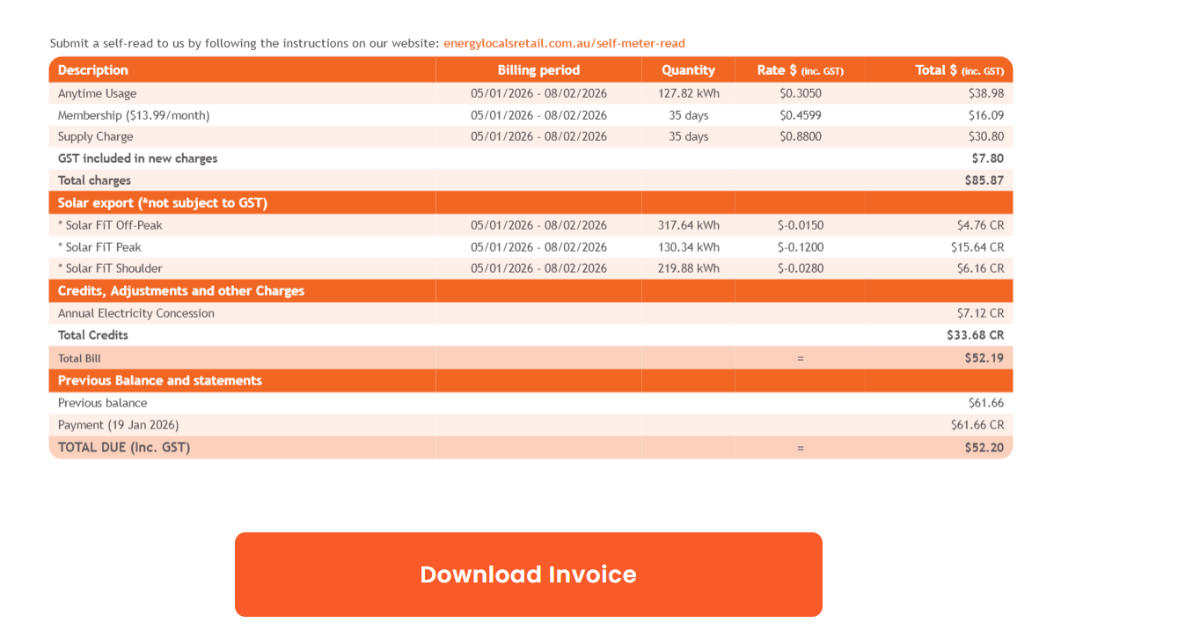
My bills are pretty modest. Here is a winter bill (also, we were down 1 panel for the first half of the year due to a faulty microinverter) Here is a Feb bill (more solar)
-
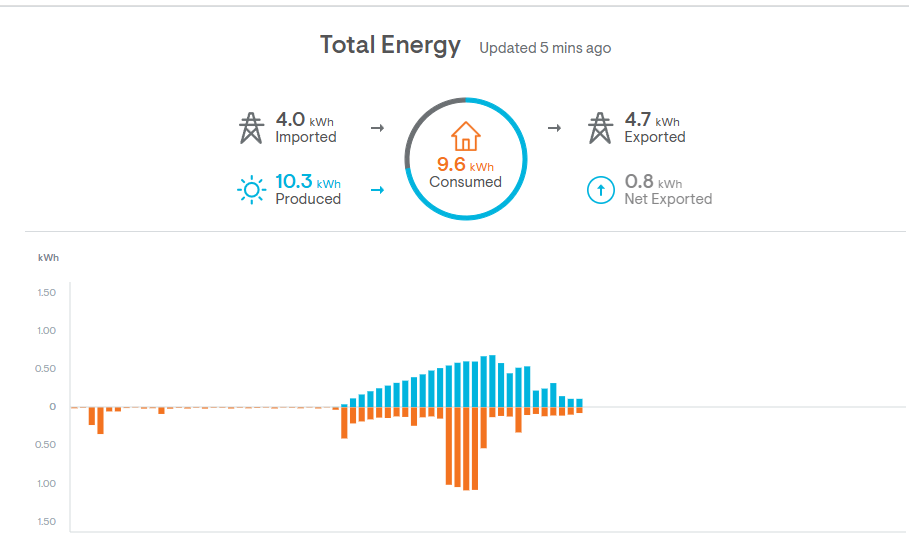
Heat Pump. The figures below are quite accurate. The thing is, though the solar more than covers it. Here is today's input and out from my system. The orange stripes are power being use and the blue power being generated. Note the very long orange 4 stripes is the hot water heater which has been off for a fortnight because we have been away. Normally, the hot water only requires about 30 minutes a day. Today is a mostly cloudy day Running a 2.5 kW split system air conditioner on heat costs about $0.25 to $0.40 per hour, or roughly $2.00 to $3.20 for an 8-hour day, based on an average electricity rate of $0.35 per kWh. [1, 2, 3] Cost Breakdown Hourly Cost: $0.25 – $0.40 per hour Daily Cost (8 hours): $2.00 – $3.20 per day Electrical Draw: Uses about 0.6 kW to 0.8 kW of input power per hour (the 2.5 kW rating is the thermal heating output, not the electricity consumed). [1, 2, 3]
-
Yes because I did the rational thing and installed solar.
-
Celebrating Positives (offset of the Gripes Thread)
octave replied to Jerry_Atrick's topic in General Discussion
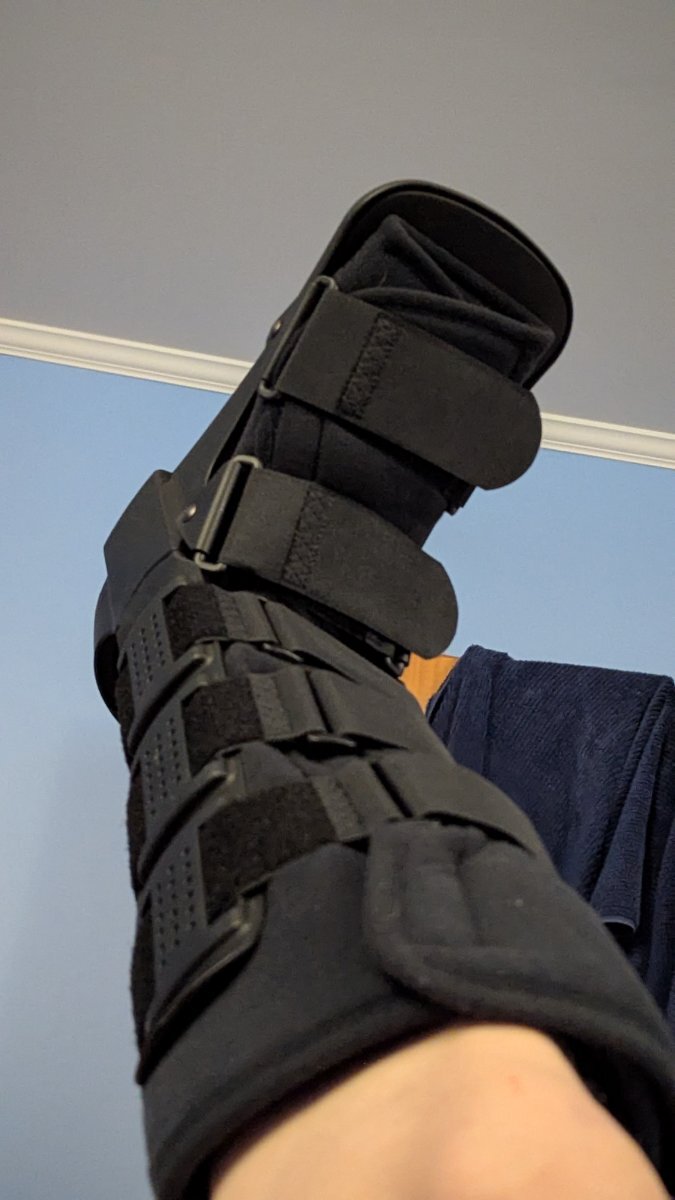
Thanks Jerry, The ankle has made enormous progress in the last 24 hours. The mobilizing moon boot has really helped. -
Celebrating Positives (offset of the Gripes Thread)
octave replied to Jerry_Atrick's topic in General Discussion
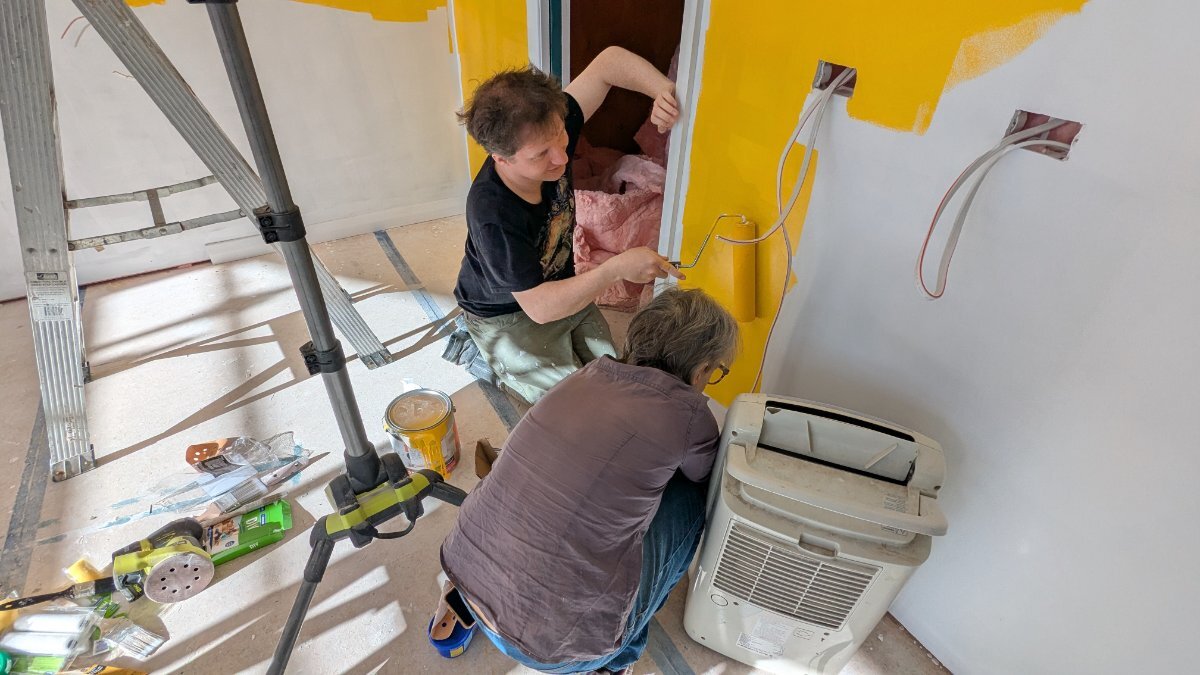
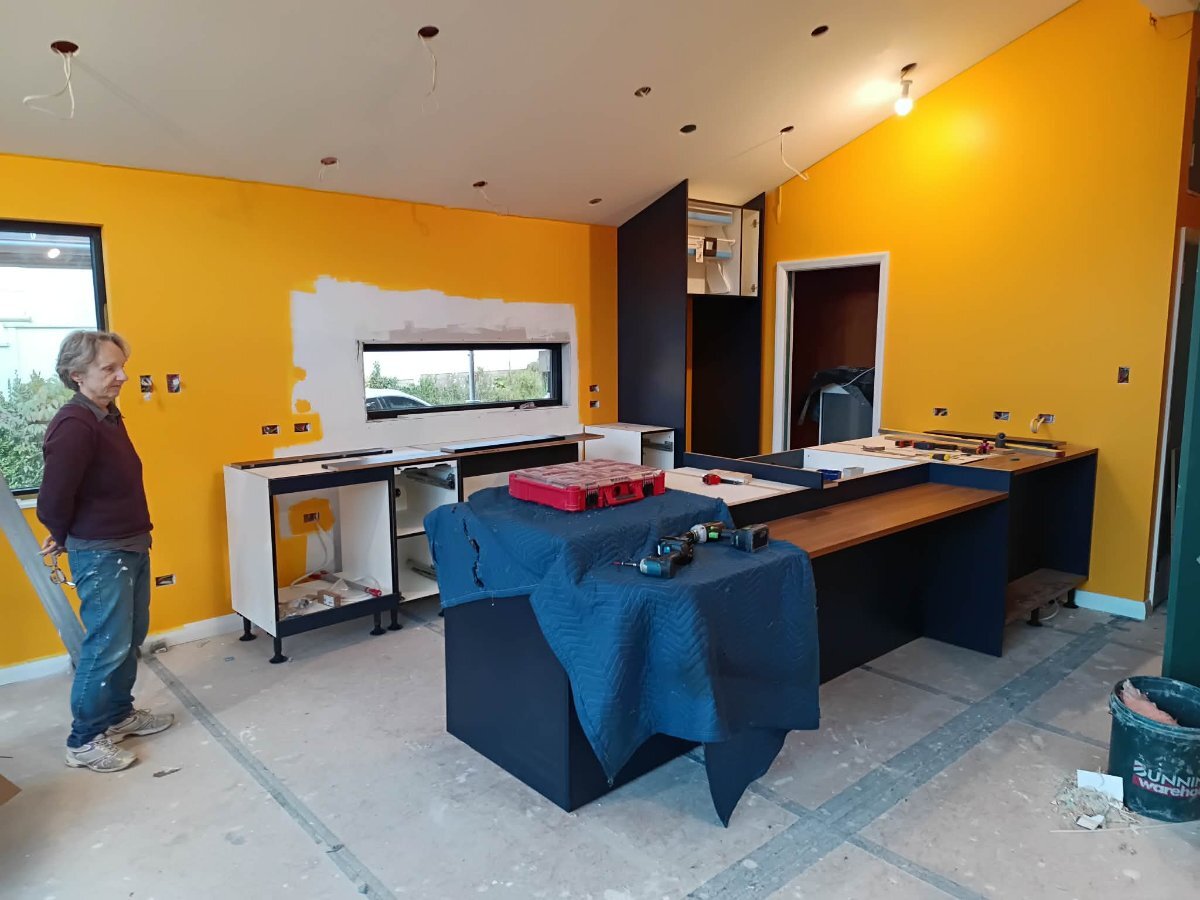
So the painting of my son's house continues. Unfortunately I am out due to walking out of a door at night to what I thought was a scaffold platform.. .. but wasn't
-
Celebrating Positives (offset of the Gripes Thread)
octave replied to Jerry_Atrick's topic in General Discussion
So when my son and partner picked us up from the airport they were planning to go to their sea shanty at the pub club. They asked if we would like to come? We had a brilliant time drinking beer and singing shanties. Many obscure shanties. They also make up the verses for the crowd to join in at the chorus. They have written shanties about public transport and current political issues. The crowd varies in age from 10 to very old. Most people seem to be in their 20s or 30s They sang this shanty bellow in honour token Australian. We had an absolute ball and intend to find a club like this near us. -
The point is is promising something is easy but you have to cost the promise.
-
Celebrating Positives (offset of the Gripes Thread)
octave replied to Jerry_Atrick's topic in General Discussion
We messaged our son in NZ to remind him of our flight details. My wife referred to us as FIFO workers. My son's message back was "f***ing Australians, coming here and taking all the jobs"😆 -
I think this might be a little optimistic. Global stockpiles of highly radioactive spent nuclear fuel exceed 320,000 tonnes currently in storage, with another 120,000+ tonnes having been reprocessed. The vast majority of this material sits in temporary wet pools or dry casks near power plants, awaiting permanent deep geological disposal. [1, 2] he International Atomic Energy Agency (IAEA) tracks the global spent nuclear fuel inventory across power reactors worldwide. When including all classifications (Low-Level and Intermediate-Level Waste), the global inventory totals tens of millions of cubic meters, although the highest-level, most radioactive materials make up a very small percentage of that total volume. [1, 2, 3] Here is a video about how waste disposal works. This is not hysterical scare mongering, but I believe an accurate description of the process. The thing that strikes me is it is quite complex and thus far not much has been actually permanently disposed of.
-
Australia is one of the global leaders in grid-forming technology, with over ten operational major utility-scale installations active across the country. [1] The most prominent real-world examples of Australian grid-forming batteries are organized below by their operational role. Large-Scale Pioneers & Capacity Leaders Western Downs Battery (Queensland): Operated by Neoen, this facility stands as the largest operating grid-forming battery in the Southern Hemisphere. Originally a standard asset, it transitioned to grid-forming capabilities in early 2025 and expanded to a massive 540 MW / 1,080 MWh capacity. It serves as a blueprint for retrofitting advanced firmware onto existing infrastructure. [1] Hornsdale Power Reserve (South Australia): Famous for being the original "Tesla Big Battery," its subsequent expansion was specifically designed to trial and deploy utility-scale grid-forming capabilities, providing critical system stability to South Australia's highly renewable grid. [1, 2] Victorian Big Battery (Victoria): Another massive Neoen project that incorporates grid-forming capabilities to secure the main transmission line linking Victoria and New South Wales. [1] Grid Stability & Remote Support Wallgrove Grid Battery (New South Wales) Built by Transgrid, this project specifically targets "synthetic inertia". It acts as a direct virtual replacement for the mechanical spinning mass of coal plants, stabilizing the network when sudden voltage drops occur. [1] 3.9 (13) Solar photovoltaic power plant OpenBroken Hill NSW An AGL-developed facility built specifically to support a weak, remote pocket of the power grid. It holds "black-start" capabilities, meaning it can restart the local grid entirely on its own if a blackout occurs. [1, 2] Darlington Point Power station Darlington Point NSW These sites use grid-forming technology to reinforce system strength in regions undergoing rapid coal-plant retirements, taking over the system support roles historically performed by fossil fuels. [1, 2, 3] Residential and Commercial Systems Sigenergy SigenStor: A popular multi-module system available to Australian homeowners and businesses. It functions as a fully integrated grid-forming unit that offers instantaneous backup and power-shifting automation right out of the box. [1, 2] Tesla Powerwall 3: Natively integrates grid-forming inverter technology. This allows standard Australian households on weak regional lines (like the Queensland Sunshine Coast) to maintain an isolated microgrid during severe storm blackouts. [1]
-
I have no problem with this approach. Synchronous generation is not the only way to provide the necessary functions. We have synchronous condensers, grid- forming batteries as well as gas turbines and hydro. All of these methods have pros and cons, but the thing is, these technologies are developing at a fast rate. As well as this, batteries are getting cheaper and made of more common materials such as sodium. I am a tecno-optimist. This means I am very interested in new technologies such as batteries, synchronous condensers, small nuclear reactors, thorium reactors etc. Thorium reactors are definitely promising, but again not a solution for today, but quite likely in the future. When might thorium produce grid electricity? A realistic timeline: 2020s Research reactors. Experimental demonstrations. No commercial thorium electricity. 2030s Possible: demonstration plants, small pilot reactors. Unlikely: large commercial fleets. 2040s+ Possible: first commercial deployments if technology, economics and regulation work out. But this is uncertain.
-
A feed-in tariff reduces an individual household's bill, but it is not evidence that the overall electricity system is cheaper. In a personal sense for those with solar a feed-in tariff has a great deal to do with a "reduction in power bills" In terms of the cartoon that reawakened this conversation. India is building NP but it is also aggressively building renewables: India aims for 500 GW of non-fossil fuel energy capacity by 2030, a central part of its goal to reach net-zero emissions by 2070. This is divided into aggressive renewable energy (solar, wind, and hydro) and nuclear power targets, coupled with specific green hydrogen and emissions goals. [1, 2, 3] Renewable Energy Targets 500 GW Non-Fossil Capacity by 2030: This is India's primary stated goal to shift its power generation mix. [1] Green Hydrogen: Under the National Green Hydrogen Mission, India aims to produce 5 million metric tonnes (MT) of green hydrogen annually by 2030, which will require an additional 125 GW of associated renewable energy capacity. [1] Emissions Intensity: India aims to reduce the emissions intensity of its GDP by 33% to 35% from 2005 levels by 2030 and increase non-fossil capacity to 50% of the total installed base. [1, 2, 3] Nuclear Energy Targets 100 GW by 2047: To support the path to net-zero, India has set a long-term target to scale nuclear capacity from roughly 8.8 GW up to 100 GW by 2047. [1] Regulatory Expansion: Recent legislative milestones, including the SHANTI Act and amendments to the Atomic Energy Act, allow greater private-sector participation and foreign investment to accelerate these builds. [1, 2] If we go nuclear or not, optimistically, we need at the very least 10 to 15 years of other means of power generation. If Australia stopped building renewables today and waited for nuclear, it would still need replacement capacity because coal plants are retiring. Option 1: Extend coal Possible, but: old plants become less reliable, maintenance costs rise, unplanned outages increase, emissions remain high. Option 2: Build more gas Gas turbines are excellent for firming, but: gas prices are volatile, fuel supply is limited, emissions are significant. Option 3: Build renewables and storage now This is essentially the current pathway: replace retiring coal with wind and solar, add batteries, pumped hydro and transmission, potentially add firm generation later. The advantage is that these assets can be built relatively quickly and reduce exposure to fossil fuel prices.